
Hot News

Emerging Tech Hubs and Innovation Ecosystems
Africa’s Booming Tech Hubs: Launchpads for Innovation and Entrepreneurship Across Africa, a tech revolution is underway, fueled by the rise of tech hubs, incubators, and vibrant startup ecosystems in major cities. These hubs are playing a critical role in fostering innovation and entrepreneurship on the continent. The Rise of Tech Hubs Nicknamed the “Silicon Savannah,”…

Environmental Technology
Africa is at the forefront of innovation when it comes to tackling environmental challenges through technology. Here’s a breakdown of some key areas: Renewable Energy Solar, wind, and geothermal power are seeing a boom. Solar panels are becoming more affordable, and companies are developing ways to use mobile money for pay-as-you-go solar systems. This provides…
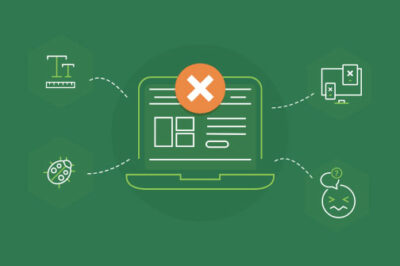
How to Spot Potential Website Problems Before They Impact You
Proactive website maintenance is key to minimizing disruption and protecting your online experience. Here are some ways to spot potential website problems before they impact you: Performance Page loading speed: Use tools like Google PageSpeed Insights or Pingdom to assess website speed. Slow loading times are frustrating and can hurt user engagement. Aim for sub-second load times. Downtime…

Handling 4 Errors in Web Services
Handling errors in web services is crucial to ensure a smooth and reliable user experience. Here are some general guidelines and best practices for handling errors in web services: Use HTTP Status Codes Use appropriate HTTP status codes to indicate the success or failure of a request. Common ones include: Provide Descriptive Error Messages Providing…

Steps to maintain tech systems
Maintaining technology systems is crucial to ensure their optimal performance, security, and longevity. Here are general steps to help you maintain tech systems: Regular Backups Regular backups are a crucial aspect of maintaining technology systems. They help protect against data loss, system failures, and various other unforeseen events. Here’s a more detailed guide on implementing…

Geospatial Data Analysis
Geospatial data analysis involves the examination of data that has a geographic component, often represented by coordinates such as latitude and longitude. Data science plays a crucial role in extracting meaningful insights from geospatial data, providing valuable information for various applications. Here, we will explore the applications of geospatial data analysis in urban planning, logistics,…

Understanding Descriptive Statistics in Data Analysis
Descriptive statistics are a fundamental part of data analysis used to summarize and describe the main features of a dataset. They provide simple summaries of the sample and the observations made. Here are some key concepts in descriptive statistics: Measures of Central Tendency Mean: The average value of a dataset, is calculated by summing all…

Cloud Computing for Startups/Small Businesses
Cloud computing offers numerous benefits for startups and small businesses, providing cost-effective, scalable, and flexible solutions to help them thrive. Here’s a breakdown of how cloud computing can benefit startups and small businesses: Cost Efficiency Cloud computing eliminates the need for investing in expensive hardware and infrastructure. Instead, businesses pay for the services they use…

Microservices Architecture
Microservices architecture is an approach to developing software applications as a collection of small, independent, and loosely coupled services. Each service focuses on specific business capabilities and communicates with others through APIs. This architecture offers several benefits, along with certain challenges and implementation considerations. Benefits of Microservices Architecture Scalability: Microservices allow for scaling individual services…

Data Cleaning and Preprocessing
Data cleaning and preprocessing are crucial steps in the data analysis process that involve transforming raw data into a clean and structured format suitable for analysis. Here are some techniques commonly used for data cleaning and preprocessing: Normalization and Scaling Normalization and scaling are techniques used to preprocess numerical data to bring it into a…
Follow Us
Recent Posts
- SEO vs GEO vs AEO: What’s the Difference? (AI Search)
- Agentic AI in the Enterprise: From Copilots to Autonomous Coworkers (Agentic AI)

- Generative Engine Optimization (GEO): The Beginner’s Guide to Ranking in AI Search
- Agentic AI Explained: How Task-Running AI Agents Are Changing Daily Apps

- DeepSeek Under Fire: AI Ambitions Meet Global Roadblocks

Categories
- Artificial Intelligence 23
- Digital Marketing 25
- Hot News 94
- Technology 107
- Web Design 12
- Web Development 14
- Web Hosting 14
- Web Security 35