
Web Security
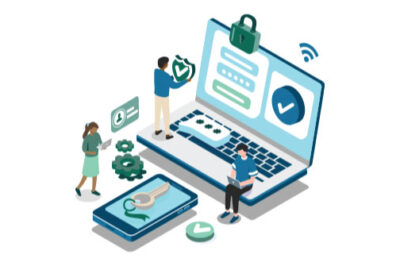
How Employee Training Reduces Cybersecurity Threats
Employee training plays a crucial role in reducing cybersecurity threats, as human error is one of the leading causes of data breaches and cyber incidents. Proper training equips employees with the knowledge and skills needed to identify and respond to potential threats, thereby strengthening an organization’s overall security posture. Here are several ways that employee…
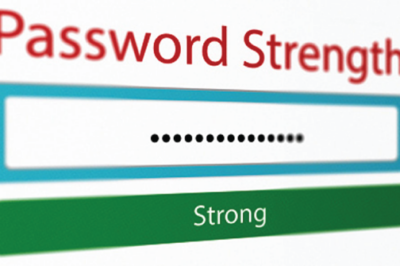
Creating and Maintaining Strong, Unique Passwords
In today’s digital age, where our personal information is constantly under threat from cyberattacks, creating and maintaining strong, unique passwords is crucial. A weak or compromised password can have devastating consequences, from identity theft to financial loss. Here are some tips to help you create and manage strong, unique passwords: Creating Strong Passwords Length: Aim…
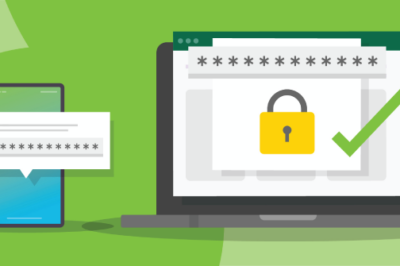
Strengthening Password Security Practices
In today’s digital age, strong password security is paramount. Here are some essential practices to safeguard your accounts: Creating Strong Passwords Length: Aim for at least 12 characters. Longer passwords are harder to crack. Complexity: Combine uppercase and lowercase letters, numbers, and special symbols. Uniqueness: Use different passwords for each account. Avoid Personal Information: Refrain…
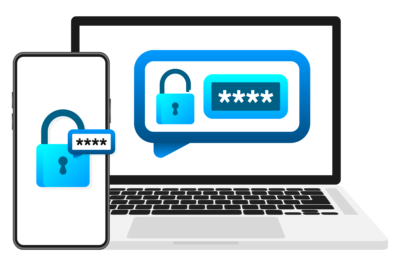
User Experience and Adoption Challenges of MFA
Multi-Factor Authentication (MFA) has become a cornerstone of cybersecurity, requiring users to provide multiple forms of identification to access accounts. While MFA significantly enhances security, it can also introduce challenges for users. This article explores the user-centric aspects of MFA, including its potential impact on convenience, accessibility, and adoption rates. Challenges of MFA for Users…
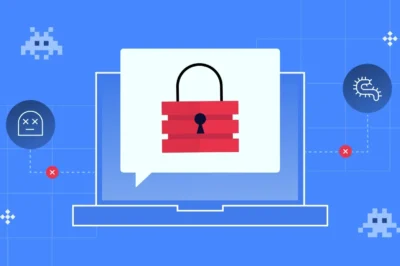
The Importance of MFA in Preventing Unauthorized Access
Multi-factor authentication (MFA) is a critical security measure that adds an extra layer of protection beyond traditional password-based authentication. As cyber threats become more sophisticated, the need for enhanced security measures has never been more crucial. MFA addresses this need by requiring users to provide two or more forms of identification before accessing a system,…
Protecting Against Malware: A Comprehensive Guide
Malware, or malicious software, is a broad term encompassing various types of harmful programs designed to infiltrate and damage computer systems. To safeguard your digital assets, it’s essential to implement robust protection measures. Here are some key steps: Use Antivirus Software Install reputable antivirus software: Choose a well-known program that offers real-time protection, malware scanning,…
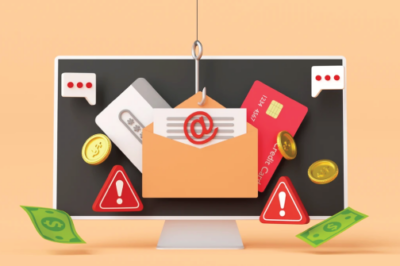
A Guide On Avoiding Phishing Scams
Phishing is a common cybercrime where scammers attempt to trick individuals into revealing personal or financial information. Recognizing and preventing phishing attempts is crucial to protect yourself from identity theft and financial loss. Techniques to Recognize and Prevent Phishing Attempts Verify Website Authenticity Check the URL: Ensure the website address starts with “https” (not “http”).…

Dangers posed to people and economy when a state abruptly shuts down the internet
An abrupt internet shutdown, often referred to as an internet blackout, can have severe repercussions for both individuals and the economy. Economic Impact Business Disruption: Many businesses rely heavily on the internet for daily operations, including communication, transactions, marketing, and customer support. An abrupt shutdown can disrupt supply chains, halt e-commerce, and prevent businesses from…
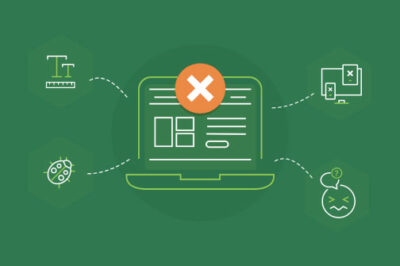
How to Spot Potential Website Problems Before They Impact You
Proactive website maintenance is key to minimizing disruption and protecting your online experience. Here are some ways to spot potential website problems before they impact you: Performance Page loading speed: Use tools like Google PageSpeed Insights or Pingdom to assess website speed. Slow loading times are frustrating and can hurt user engagement. Aim for sub-second load times. Downtime…
Steps to maintain tech systems
Maintaining technology systems is crucial to ensure their optimal performance, security, and longevity. Here are general steps to help you maintain tech systems: Regular Backups Regular backups are a crucial aspect of maintaining technology systems. They help protect against data loss, system failures, and various other unforeseen events. Here’s a more detailed guide on implementing…
Follow Us
Recent Posts





Categories
- Artificial Intelligence 21
- Digital Marketing 25
- Hot News 93
- Technology 105
- Web Design 12
- Web Development 14
- Web Hosting 13
- Web Security 34