
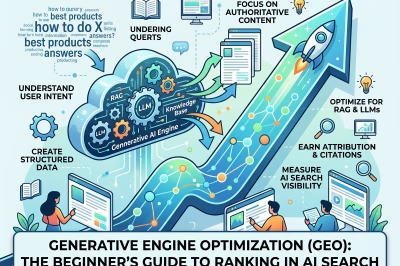







Understanding AI-Powered Web Design Tools
AI-powered web design tools leverage artificial intelligence (AI) and machine learning (ML) technologies to assist designers and developers in creating websites more efficiently and effectively. These tools aim to automate repetitive tasks, enhance creativity, and optimize user experiences. Here are some key aspects to understand about AI-powered web design tools: Automated Design Suggestions Automated design…

Steps to maintain tech systems
Maintaining technology systems is crucial to ensure their optimal performance, security, and longevity. Here are general steps to help you maintain tech systems: Regular Backups Regular backups are a crucial aspect of maintaining technology systems. They help protect against data loss, system failures, and various other unforeseen events. Here’s a more detailed guide on implementing…
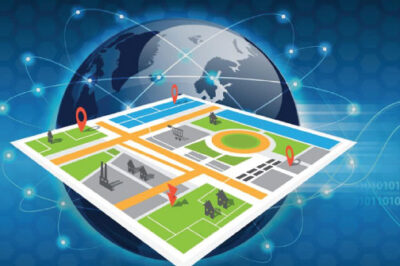
Geospatial Data Analysis
Geospatial data analysis involves the examination of data that has a geographic component, often represented by coordinates such as latitude and longitude. Data science plays a crucial role in extracting meaningful insights from geospatial data, providing valuable information for various applications. Here, we will explore the applications of geospatial data analysis in urban planning, logistics,…

Understanding Descriptive Statistics in Data Analysis
Descriptive statistics are a fundamental part of data analysis used to summarize and describe the main features of a dataset. They provide simple summaries of the sample and the observations made. Here are some key concepts in descriptive statistics: Measures of Central Tendency Mean: The average value of a dataset, is calculated by summing all…

Cloud Computing for Startups/Small Businesses
Cloud computing offers numerous benefits for startups and small businesses, providing cost-effective, scalable, and flexible solutions to help them thrive. Here’s a breakdown of how cloud computing can benefit startups and small businesses: Cost Efficiency Cloud computing eliminates the need for investing in expensive hardware and infrastructure. Instead, businesses pay for the services they use…

Internet of Things (IoT)
The Internet of Things (IoT) refers to the network of interconnected devices embedded with sensors, software, and other technologies to exchange data and communicate with each other via the internet. It encompasses a vast array of devices, from everyday objects like smartphones, wearable devices, and home appliances to more specialized machinery used in industries, creating…

Microservices Architecture
Microservices architecture is an approach to developing software applications as a collection of small, independent, and loosely coupled services. Each service focuses on specific business capabilities and communicates with others through APIs. This architecture offers several benefits, along with certain challenges and implementation considerations. Benefits of Microservices Architecture Scalability: Microservices allow for scaling individual services…
Data Cleaning and Preprocessing
Data cleaning and preprocessing are crucial steps in the data analysis process that involve transforming raw data into a clean and structured format suitable for analysis. Here are some techniques commonly used for data cleaning and preprocessing: Normalization and Scaling Normalization and scaling are techniques used to preprocess numerical data to bring it into a…
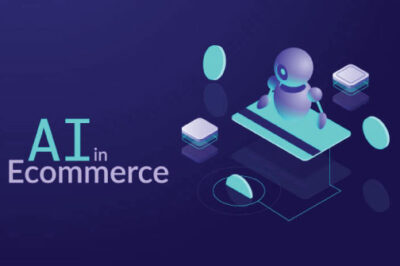
The Impact of AI and Machine Learning on E-commerce Personalization
AI (Artificial Intelligence) and machine learning have significantly transformed the landscape of e-commerce, particularly in the realm of personalization. Here are several impactful ways these technologies have influenced and enhanced e-commerce personalization: Customer Insights and Behavior Analysis Data Collection and Analysis: AI and machine learning algorithms efficiently gather and process vast amounts of data from…

Social Media and Digital Trust
Navigating the trust landscape in the realm of social media and digital platforms is a multifaceted challenge that involves various stakeholders, including users, platform providers, and regulators. Trust is a critical component of the digital ecosystem, influencing user engagement, data sharing, and overall platform sustainability. Here are some key aspects to consider: Transparency and Communication…