


The Impact of AI and Machine Learning on E-commerce Personalization
AI (Artificial Intelligence) and machine learning have significantly transformed the landscape of e-commerce, particularly in the realm of personalization. Here are several impactful ways these technologies have influenced and enhanced e-commerce personalization: Customer Insights and Behavior Analysis Data Collection and Analysis: AI and machine learning algorithms efficiently gather and process vast amounts of data from…

Social Media and Digital Trust
Navigating the trust landscape in the realm of social media and digital platforms is a multifaceted challenge that involves various stakeholders, including users, platform providers, and regulators. Trust is a critical component of the digital ecosystem, influencing user engagement, data sharing, and overall platform sustainability. Here are some key aspects to consider: Transparency and Communication…

How Datafication Is Shaping the Workplace
The future of work is significantly influenced by datafication, the process of transforming various aspects of work and business into data. Datafication has revolutionized the workplace by leveraging data to drive decision-making, enhance productivity, and transform how businesses operate. Here’s a look at how datafication is shaping the workplace: Data-Driven Decision Making Data-driven decision-making refers…

Introduction to Cloud Computing
Cloud computing is a transformative technology that has revolutionized the way individuals and organizations store, access, and manage data, applications, and services. It involves the delivery of computing resources and services, including servers, storage, databases, networking, software, analytics, and more, over the internet (the “cloud”). This cloud-based approach to computing offers numerous benefits and has…

The Future of MOOCs: Trends and Innovations
Massive Open Online Courses (MOOCs) have been evolving since their inception and continue to shape the landscape of online education. Several trends and innovations are likely to influence the future of MOOCs: Personalization and Adaptive Learning Personalization and adaptive learning are two key trends in the field of education, and they have significant implications for…

Software-defined networks
Software-defined networking (SDN) is an innovative approach to network management that allows network administrators to control and manage network services through software applications rather than traditional hardware-based methods. SDN decouples the network’s control plane from its data plane, which means that network control functions are centralized and implemented as software applications, while the data plane,…

Evolution of Chat-GPT
The evolution of Chat-GPT represents a significant milestone in the development of natural language processing (NLP) technology and has had a profound impact on search technologies. Chat-GPT, which is based on the GPT-3.5 architecture, builds upon the advancements of its predecessors and incorporates various improvements, making it a powerful tool for human-like text generation, understanding,…

Metaverse, augmented reality (AR) and virtual reality
The Metaverse, Augmented Reality (AR), and Virtual Reality (VR) represent three interconnected yet distinct concepts in the realm of digital experiences and immersive technologies. These innovations are transforming the way we interact with digital content, each offering unique opportunities and challenges. 1. Metaverse The term “Metaverse” has gained significant attention in recent years, driven by…

What is Worldcoin and why it was suspended in Kenya
Worldcoin, founded by US tech entrepreneur Sam Altman, offers free crypto tokens to people who agree to have their eyeballs scanned. Thousands of Kenyans have been queuing up at registration centers to get the currency worth about $49 (£39). Kenya warned citizens to be cautious about giving their data to private companies. The Ministry of…

What is internet of skills
The Internet of Skills refers to a vision where the Internet, combined with advanced technologies like 5G, augmented reality (AR), virtual reality (VR), haptic feedback, robotics, and artificial intelligence (AI), enables the remote or distributed control of physical skills or tasks. In other words, it aims to create a networked system where individuals can manipulate…
Follow The Author
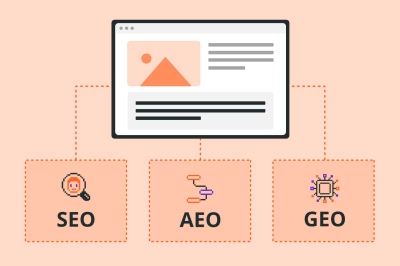
SEO vs GEO vs AEO: What’s the Difference? (AI Search)

Agentic AI in the Enterprise: From Copilots to Autonomous Coworkers (Agentic AI)
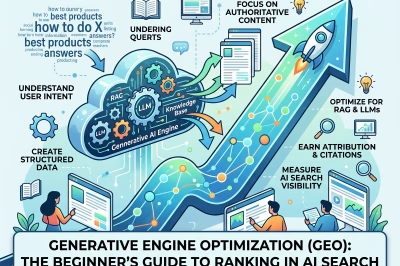
Generative Engine Optimization (GEO): The Beginner’s Guide to Ranking in AI Search

Agentic AI Explained: How Task-Running AI Agents Are Changing Daily Apps

DeepSeek Under Fire: AI Ambitions Meet Global Roadblocks